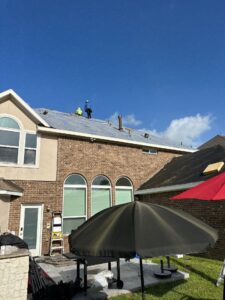

Houston’s Fall Roof Check: What Months of Heat, Rain, and Storms May Have Done to Your Roof
Each October, Houston homeowners transition from the intensity of summer into a milder fall, offering a crucial window to evaluate how their roofs have weathered the region’s notorious heat, humidity, and sudden storms. The combination of searing hot days, sudden downpours, and hurricane season peaks between May and September can leave your roof vulnerable to damage that, if left unaddressed, may escalate into costly repairs by winter or next year’s storm season. Conducting a thorough fall roof inspection now can help protect your property, comfort, and wallet as cooler, wetter months approach. Common Roof Issues After Houston’s Summer and Storm Season Houston’s climate is unique; extended periods of UV exposure followed by severe thunderstorms can lead to a range of problems on all kinds of residential roofing systems. As you assess your roof this fall, pay attention to: Shingles: Look for curling, cracking, or missing shingles, signs often caused by sun and wind damage. Granule loss on asphalt shingles is particularly common following hailstorms, leaving vulnerable spots that may leak come winter. Flashing: Flashing around chimneys, skylights, and roof valleys can deteriorate or become loose after heavy rains or hurricane-force winds. Damaged or unsealed flashing is a leading cause of moisture intrusion. Penetrations: Vents, antennas, satellite dishes, and other penetrations should be checked for splits, gaps, or lifting seals. These points often go unnoticed until leaks appear in the attic or ceiling. Drainage: Clogged gutters and downspouts are a frequent issue in Houston due to sudden leaf debris and storm